What to check before buying a used film camera
A short checklist for the lens, shutter, meter, film transport and seller's return terms before you buy a vintage camera.
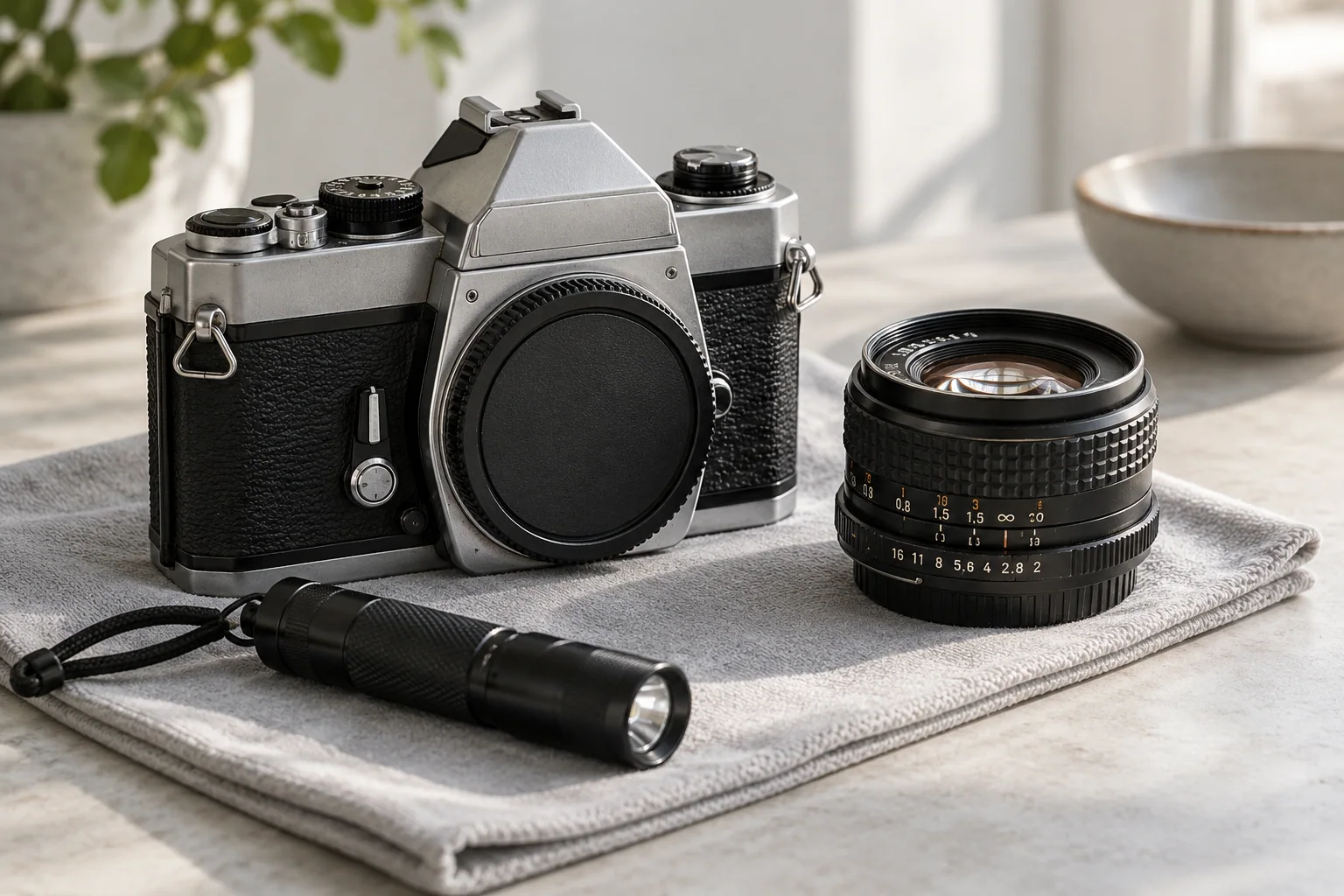
A clean-looking camera can still have a worn shutter or a faulty meter. Before buying, ask what has been tested and check for missing accessories. When it arrives, shoot and develop a test roll within the return window if possible.
Start with the lens and body
Look for scratches, haze or branching marks inside the lens. Ask whether the aperture blades move properly and whether the focusing ring turns smoothly. If you’re buying remotely, request clear photographs of the front and rear glass.
Check the battery compartment for corrosion. Inspect the door, hinge and light seals, and ask whether damaged seals have been replaced. Avoid touching shutter curtains while looking inside the camera.
Find out what “working” includes
Ask whether the seller has checked:
- The shutter at both fast and slow settings.
- The meter’s response to changes in light and ISO.
- Film winding, frame counting and rewinding.
- Autofocus and flash on models that have them.
A shutter that fires has passed one check. A developed test roll also shows whether film moved through the camera and whether photographs were exposed. Ask when that test was done and whether you can see its results.
Check the battery and lens system
Read the manual for the exact model. Mechanical and electronic cameras have different power requirements. Even a camera with a mechanical shutter may need a battery for its meter.
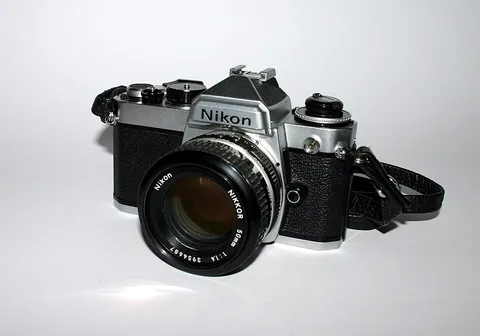
For example, Canon lists electronically controlled shutter speeds and a 6V battery for the AE-1. Nikon’s history distinguishes the manual mechanical FM from the electronically controlled FE. Don’t assume an old camera will run without power.
Plan a prompt test roll
Read the return terms before buying. When the camera arrives, inspect it, check the controls against the manual and shoot a test roll within the return window if possible.
Photograph subjects at a few different distances and in different light. Note the frames and settings so a problem is easier to discuss with the seller or a repairer. If the film comes back blank, ILFORD’s troubleshooting guide explains what the film edges can tell you about loading and development.
Keep the listing and seller’s description until you’re happy the camera works as promised.
Explore these cameras
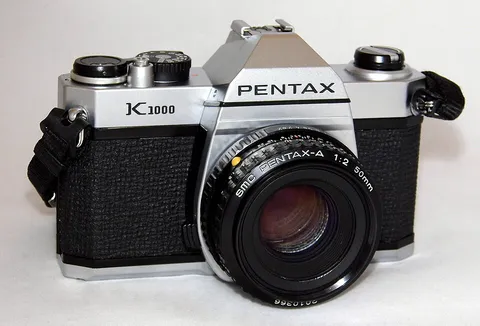
Pentax K1000